
Patient & Family Resources
Radiation therapy
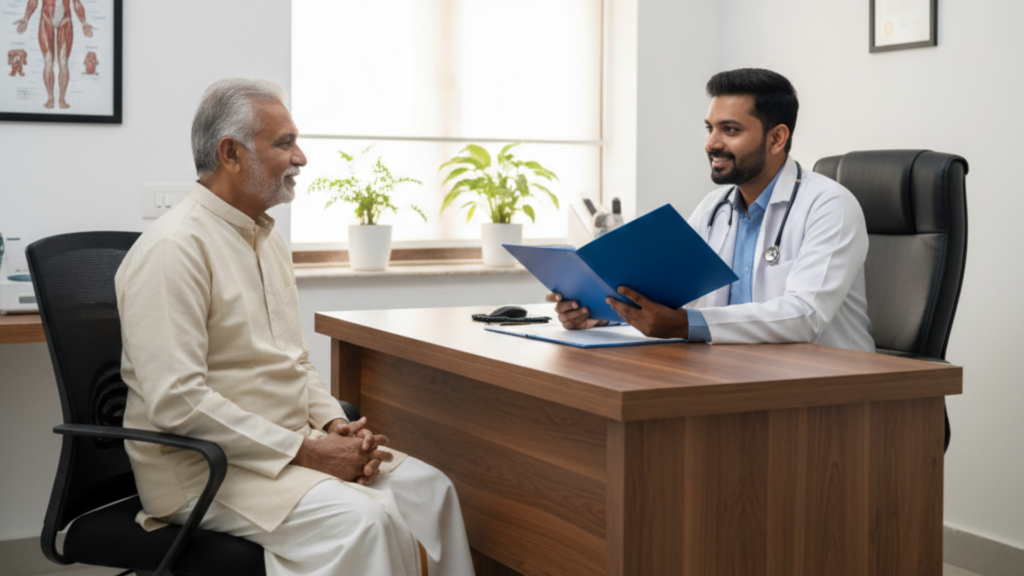
How to Prepare for Treatment
How to Prepare for Treatment
Before Your Visit
- Carry all previous medical records, scans, and prescriptions.
- Bring a list of current medications and known allergies.
- Inform your doctor about any existing medical conditions.
- Avoid eating or drinking if instructed prior to specific procedures.
On the Day of Treatment
Wear comfortable, loose clothing.
Eat a light meal unless advised otherwise.
Stay well hydrated.
Bring a companion if possible for emotional and physical support.
Mentally & Emotionally
-
Write down any questions you may have.
-
Discuss concerns openly with your oncologist.
-
Remember, feeling anxious is normal. Our team is here to support you.
Emergency Contact Guidelines
Your safety is our priority. While most treatments are well-tolerated, certain symptoms require immediate medical attention.
Contact Us Immediately If You Experience:
- Fever above 100.4°F (38°C).
- Persistent vomiting or severe diarrhea.
- Sudden shortness of breath.
- Uncontrolled bleeding.
- Severe pain not relieved by prescribed medication.
- Signs of infection (redness, swelling, discharge).
Emergency Support
- Keep our emergency number saved on your phone.
- Do not delay seeking care if symptoms feel serious.
- In life-threatening situations, visit the nearest emergency facility immediately.
Home Care Instructions
Continuing care at home plays a crucial role in recovery and comfort.
General Care
- Take medications exactly as prescribed.
- Maintain good hygiene and hand washing practices.
- Avoid crowded places if immunity is low.
- Get adequate rest and balanced nutrition.
Managing Side Effects
- Stay hydrated to manage fatigue and nausea.
- Use mild skincare products to reduce irritation.
- Report unusual symptoms early.
Emotional Wellbeing
- Stay connected with family and support groups.
- Engage in light physical activity if permitted.
- Seek professional counseling if needed.
Our care team is available to guide you throughout your recovery journey.
Frequently Asked Questions (FAQ)
1. Will chemotherapy require hospital admission?
Most treatments at Prime OncoCare are administered through our Day Care Oncology model, allowing you to return home the same day.
2. Can I continue working during treatment?
Many patients continue daily activities depending on their energy levels and treatment plan. Your oncologist will guide you.
3. What are common side effects?
Fatigue, nausea, mild hair loss, and appetite changes are common. We provide supportive care to manage them effectively.
4. Is treatment painful?
Most therapies are not painful. Any discomfort is closely monitored and managed.
5. How do I contact the care team after hours?
You will be provided with emergency contact details during your first visit.